

Childhood presents many challenges for special needs children, especially on the playground. In today's society, children need to adapt to circumstances that may pose potential problems for them. Children learn about feelings of belonging, acceptance, and rejection at an early age. Therefore, it has become imperative for educational and recreational institutions to incorporate an inclusive child care program. Educators and instructors who accommodate special-needs children with handicaps gain peace of mind in knowing that no child is left alone with a feeling of inadequacy. Inclusive play enables special-needs children to build the necessary social skills to handle any circumstance. This increases positive attitudes and interaction between all children regardless of abilities.
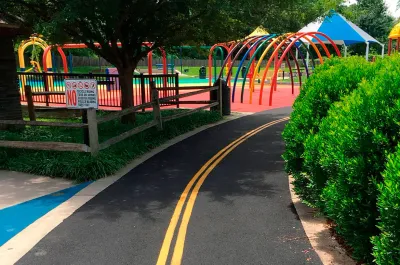
The Americans with Disabilities Act (ADA) assures full civil rights to disabled individuals, including accessibility and accommodations in preschools, child care centers, and playground settings. The Individuals with Disabilities Education Act (IDEA) further strengthens mandated criteria for the inclusion of children in preschool, child care, and playground settings. As a result, educational and recreational institutions cannot discriminate against parents or special-needs children. In addition, educational and recreational institutions must make reasonable accommodations to meet the needs of disabled children. This presents exciting opportunities to include special-needs children in activities at an early age. Everyone benefits from inclusive play. An inclusive playground environment shares several qualities not found in traditional play settings. The designers of an inclusive playground environment target children at the youngest age possible to reinforce the acceptance of differences. This grants disabled children exposure to the same curriculum and activities as their peers.
Educational and recreational institutions can make accommodations for special-needs children without breaking the bank. The first step requires developing a plan of action, which may include evaluating, assessing, and changing routines and equipment to meet accessibility and inclusive standards. Recruit staff that can interpret and use sign language is another important step. When evaluating existing programs for accessibility and inclusive play, look over current employment policies and procedures to ensure they do not discriminate against disabled children. Next, assess the physical accessibility of the playground to ensure all equipment can be used by special-needs children. Accessibility conversion may only require rearranging playground equipment, installing a ramp or handrail, and adding Braille labels. Look for ways to accommodate everyone, including children, staff, and parents.
Educational and recreational institutions may find it difficult to accommodate each special-needs child. Every special-needs child has his or her own disability, which means the staff must have an understanding of the child's condition. When considering adaptions, remember that a special-needs child requires additional attention to assist in their development. For instance, children with visual disabilities may need consideration revolving around space on the playground, navigating around obstacles, or finding their way to the bathroom. Deaf or hard of hearing children may need a sign language interpreter. Children with physical disabilities may need assistance with moving from one place to the next. All of these circumstances arise at some point when working with special-needs children. It takes dedicated and well-trained personnel to meet the needs of each child. The key is to never leave a child alone with a feeling of inadequacy. Let them feel as if they belong with the group, despite their differences.
Follow these links to learn more about accommodating special-needs children on the playground:
Kaboom! It Starts with a Playground: Special Needs
Inclusion of Children with Disabilities or Other Special Needs
Welcoming a Child With Special Needs
NPR: For Kids With Special Needs, More Places to Play
Friendship Park: A Playground for Children With Disabilities
Universal Design in the Playground of Inclusion
Accessibility and Inclusive Playgrounds
Playgrounds That Welcome Wheelchairs
Benefits and Barriers to Fitness for Children With Disabilities
Accessible Playground Definitions
Public Playground Accessibility Checklist
Let's Play! Playground Accessibility and the ADA
Commonly Asked Questions About Child Care Centers and the Americans With Disabilities Act
Resources for Children With Special Needs
Creating Inclusive Outdoor Play Environments: Designing for Ability Rather than Disability
Inclusive Play and Disability
Find more about the author: Kim Hart