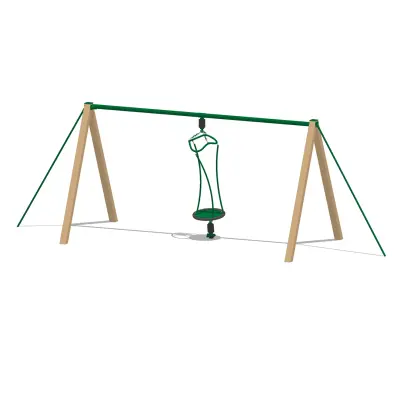
Explore High-Quality Balance Equipment for Playgrounds
51 products
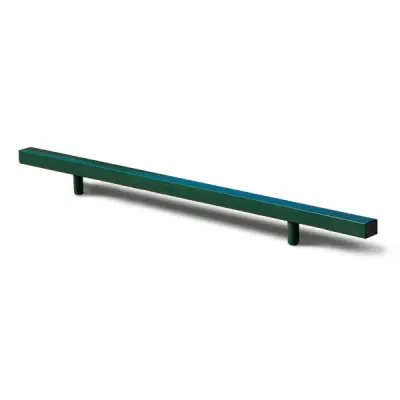
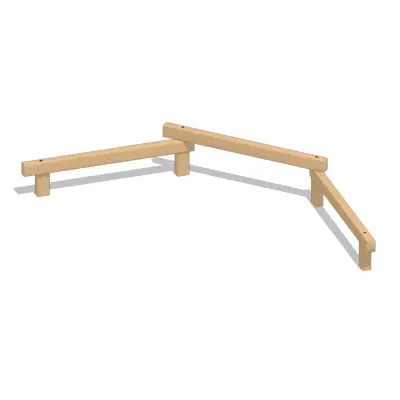
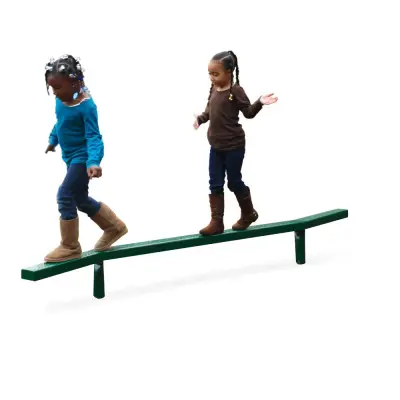
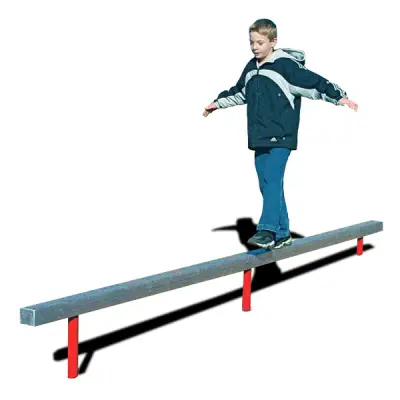
Balance beam for kids provides structured challenge for developing coordination, core strength, and spatial awareness in children ages 2-12. Commercial balance beams range from 6-inch-wide straight beams at 4 inches off grade for preschoolers to curved and zigzag configurations at 8-12 inches height for school-age children.
School administrators choose straight balance beams for physical education curricula and curved models for natural movement patterns. Parks departments select modular balance beam systems that connect multiple beam sections with platforms, creating varied difficulty levels within the same footprint. Daycare directors need low-profile balance beams under 24 inches fall height to meet licensing requirements while churches often choose balance beam playground equipment that accommodates mixed age groups 2-12.
Outdoor balance beam construction uses powder-coated steel posts with recycled plastic lumber or aluminum beam surfaces. Steel posts require concrete footings 18-24 inches deep, while surface-mount options use weighted bases for portable installation. Balance beams for school playgrounds must meet ADA transfer platform requirements when beam height exceeds 20 inches, requiring 24-inch-wide platforms at each end with transfer clearance.
Kids balance beam equipment ships in single crates weighing 150-400 pounds depending on beam length and post configuration. Straight 8-foot beams require 12×8-foot installation footprint plus 6-foot use zones, while serpentine balance playground equipment needs 20×12-foot minimum space. Installation requires post-hole digger for footings and 48-hour concrete cure time before use.
Critical fall height determines surfacing depth requirements for balance beam installations. Beams at 18-24 inches height need 6 inches of engineered wood fiber or 2.5 inches poured-in-place rubber. Higher configurations up to 48 inches require 9-12 inches loose-fill surfacing or 4-6 inches unitary surfacing to meet CPSC guidelines for outdoor balance toys.
Balance beams for kids integrate with existing playground structures through connecting decks and transfer platforms. Procurement timelines run 8-12 weeks from order to delivery, with freight typically arriving on flatbed trucks requiring forklift or crane for unloading. Federal buyers use GSA Schedule contracts while municipal purchases follow standard RFP processes with prevailing wage requirements for installation.