
Key Findings
- Over 200,000 children are treated each year for playground-related injuries (U.S. Consumer Product Safety Commission).
- Taller play structures raise fall risk without adding to the fun kids actually have.
- A 10-foot fall is a sprained ankle; a 30-foot fall is an ER trip — even with proper surfacing.
- The goal isn't to eliminate risk — it's to create risk children can reasonably navigate.
When I returned to the playground I knew and loved as a kid, it was a lot smaller than I remembered. But you know what's funny? Nothing about it had changed. The swings still squeaked while arcing back and forth, the wood mulch was still haphazardly scattered about, and the play structure at the center was still about five feet off the ground. Yet, to my younger self, it may as well have been the Great Pyramid of Giza.
Same swings. Same mulch. Same memories.
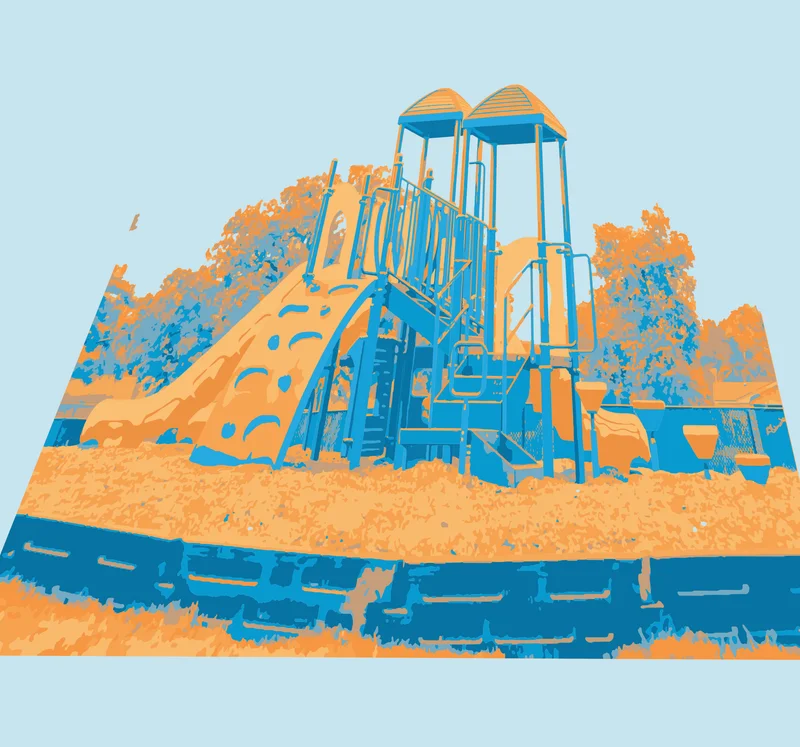
Who does 30 feet actually serve?
As adults, we often take for granted that kids experience life differently than we do. Things that we see as big, kids will see as enormous. So when it comes to playground design, why are we putting in play structures that are 30 feet in the air? Who does that actually serve? Certainly not the kid who inevitably falls from a ridiculous height and gets seriously injured.
As a child, falling from a 10-foot deck might get you a sprained ankle, which sucks, but isn't the end of the world. But a 30-foot fall? That's a trip to the emergency room, even with proper surfacing depth. Already, over 200,000 kids per year go to the hospital due to injuries sustained on playgrounds, and with play structures becoming increasingly high off the ground, I'm betting that number will only go up.
“Things that we see as big, kids will see as enormous.”
Who is all of this for?
The way I see it, adding a towering play structure to your playground doesn't increase the fun kids will have. All it does is up the odds of injury in a way that few other types of amenities do. And that gets back to the question: Who is all of this for? If we're not building playgrounds to serve children first and foremost, I think it calls into question why we're building them at all.


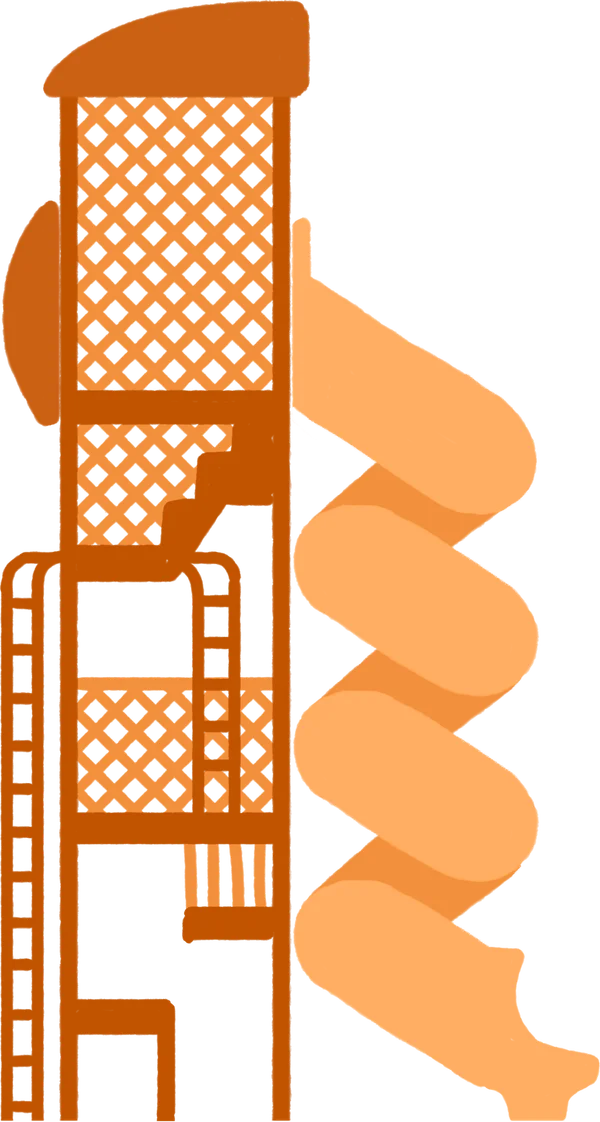
Each of these structures have two climbers and a slide, but take note of the height difference.
Fear isn't the same thing as fun
I mean, imagine your 10 year-old self climbing to the top of a structure, only to discover you're too scared to come down. That fear of heights doesn't exist in every kid, but the ones that have it likely won't come down until someone helps them.
Or, worse yet, you don't fear heights enough, and you jump down and crash to the ground from 30 feet in the air. Either way, you can see how the inherent danger of taller structures leads to bad outcomes.
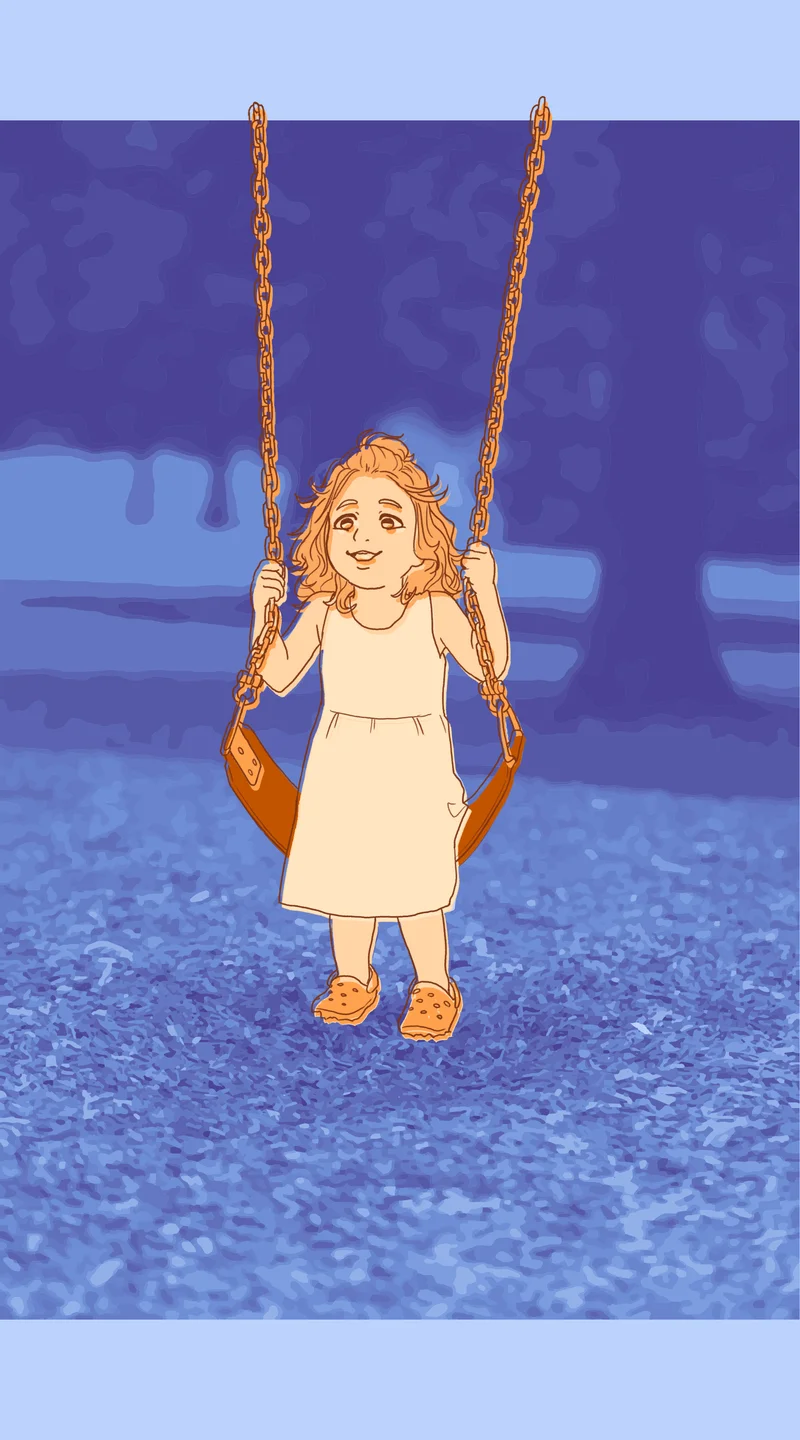
At the end of the day, I don't think every playground should look the same or that they should only have boring, cookie-cutter amenities; in fact, some of the best playgrounds I've ever been on are ones where the colors and variety of equipment combine to create unforgettable experiences.
“The goal is not to eliminate risk. The goal is to create risk children can reasonably navigate.”
So, to sum it up:
- When it comes to play structures, I don't think we need to reinvent the wheel.
- The more that people try to iterate over stuff like play structures to make them taller and more dangerous, the less safe they become, the more kids get injured.
- At the end of the day, I'm not in the business of kids getting hurt. I'm in the business of empowering them to take risks in a space that's as safe as possible.
- I want to create avenues of play that, a few decades from now, their kids can engage with.
And I just don't see that happening with 30-foot tall structures that function more as accident machines than sources of fun and enjoyment.
Theory vs Practice
Theory
- People buy super tall structures in hopes that their playground will come to be known as the gathering space for kids.
- They want to garner attention from visitors and make their playground the focal point of their community.
- The hope is that they will make a statement to locals and visitors alike that the town is a place of fun and excitement.
- Taller structures may require more maintenance, but shouldn't be overly difficult to keep safe.
Practice
- When people buy enormous play structures, they often aren't cognizant of the various pitfalls of owning them.
- For instance, play structures from which kids can fall 30+ feet are basically a giant sign that says “Your kids will fall and get hurt here; please sue me when it happens”.
- Along with the inherent difficulty of maintaining a tall play structure, they simply aren't built with the needs of kids in mind.
- In short, they're built for attention, not fun or longevity.
“I'm not in the business of kids getting hurt. I'm in the business of empowering them to take risks in a space that's as safe as possible.”
Sources
- U.S. Consumer Product Safety Commission — Playground-related injury data — https://www.cpsc.gov/safety-education/safety-guides/playgrounds
How to Cite This Chapter
Breedlove, Nicolas. “The Five-Foot Mountain.” State of Play 2026, Chapter 1, AAA State of Play, July 2026. https://www.aaastateofplay.com/state-of-play/five-foot-mountain/