
Key Findings
- Well-scaled structures top out at 6–8 feet; the recent spate of tall structures put kids 20+ feet in the air.
- Excessive height turns close, easy parental supervision into distant and limited supervision.
- The taller the structure, the greater the maintenance burden — and the fewer workers willing to climb it.
- Tall structures are bought as statement pieces, but in practice they carry injury risk, liability, and constant upkeep.
As parents, there's nothing we won't do to ensure the safety of our children. I don't consider myself a “helicopter parent”, nor do I think there's dangers to my kids hidden around every corner. At the end of the day, everything has some degree of risk, but it's my responsibility as a parent to discern active danger from theoretical risk.
So, when it comes to playgrounds, of course I'll help my kids if they get injured or have difficulty while playing. But, more than that, I think the responsible thing is to altogether avoid playgrounds that have equipment with excessive fall heights.
And I'm not talking about jungle gyms or monkey bars that are typically six to eight feet off the ground. I'm describing the more recent spate of play structures designed to be as tall as possible with, in my view, no regard for kids' safety.
“Everything has some degree of risk, but it's my responsibility as a parent to discern active danger from theoretical risk.”
Is it a risk you're willing to take?
If you're a parent, I think it's wise to ask yourself: Do you really want your kids playing on a structure that you may have trouble getting up to and helping them if need be? Do you truly want to run the risk of your child falling from 20+ feet and potentially being hospitalized?
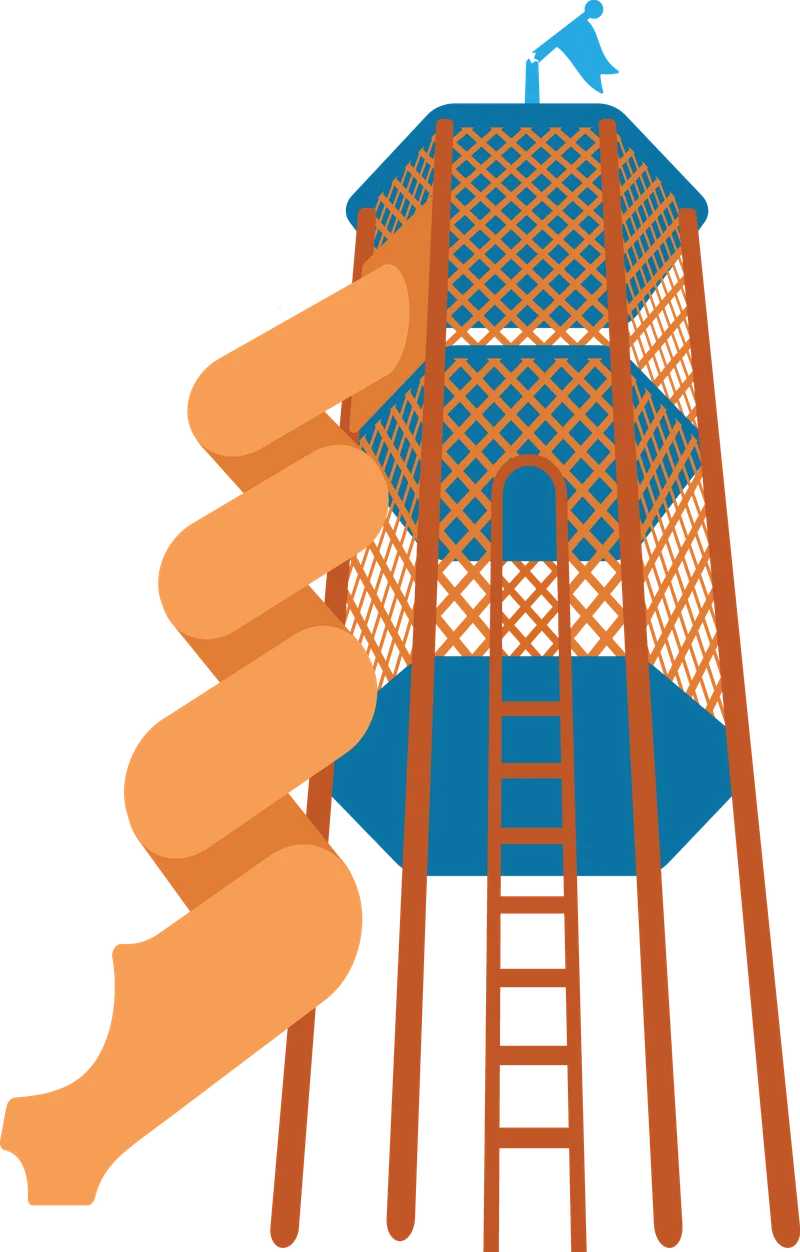
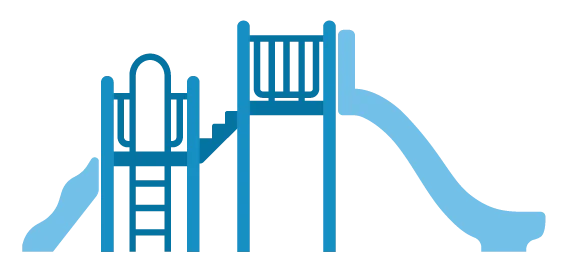
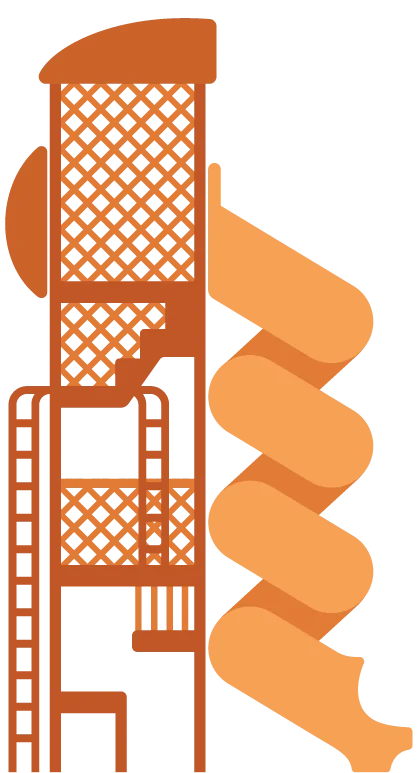
| Well-Scaled Playground | Excessively Tall Playground | |
|---|---|---|
| Max Fall Height | 6–8 Feet | 20+ Feet |
| Parental Supervision | Close and Easy | Distant and Limited |
| Serious Injury Risk | Low | High |
| Maintenance Access | Simple and Safe | Complex and Risky |
| Liability Exposure | Manageable | Significant |
The higher the structure, the higher the stakes — for kids, for parents, for everyone.
Buying a tall structure means taking on a bigger burden
Parks or schools that buy one of these structures will inevitably take on a boatload of unnecessary risks, including:
- Injured kids
- Potential lawsuits
- Reputational damage
- Temporary or permanent playground closure
Longevity isn't just about the structure. It's about what it takes to keep it safe.
But let's set aside the safety concerns for a moment and focus on longevity. As the size of a playground increases, so does the amount of maintenance needed to keep it safe. When you purchase a play structure that looms 30 feet in the air over the rest of your space, whether you know it or not, you've signed someone up to climb up on that thing and tighten the bolts, check for jagged edges, and potentially repair broken parts.
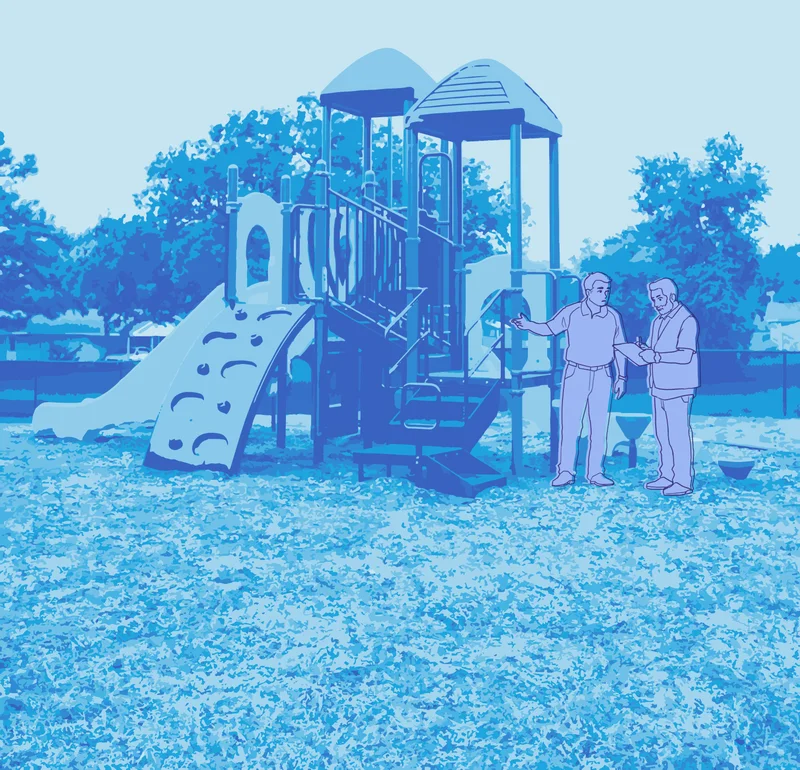
More Height. More Maintenance. More Risk.
Could you find someone to do this? Maybe. But truly skilled playground maintenance workers are hard to come by, and most would rather work with playgrounds that they don't have to risk life and limb to simply climb up and examine.
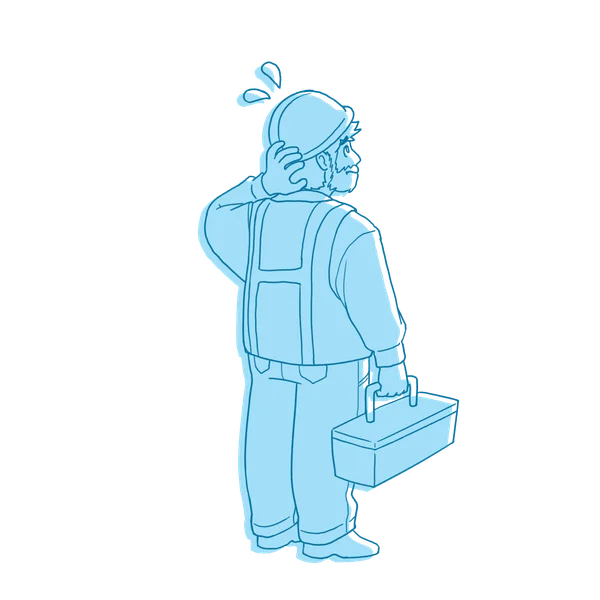
Think about that 30-foot structure in a decade or two. Generally speaking, the more metal involved in a piece of equipment, the more opportunities there are for rust. And when parents start complaining about their kids getting scratches while playing on the structure, are you going to have someone willing to surmount the structure and implement fixes?
“The cost-benefit analysis just doesn't land on the side of buying an incredibly tall play structure.”
These are just a few considerations if you're looking to buy a tall play structure. If you're willing to accept the risks (including inevitable lawsuits) and if you have the support staff needed to keep the structure in good working order, by all means, buy that behemoth of a play structure.
But I think the cost-benefit analysis just doesn't land on the side of buying an incredibly tall play structure. If I have the choice of bringing my kids to a playground that's spread out evenly across a given space versus one that's centered around a structure that spans 50 feet in the air, I'm choosing the former over the latter every time.
Theory vs. Practice
Theory
Having a super tall play structure will function as:
- A statement piece for the community.
- A hub of excitement for kids.
- A great value for communities looking to get themselves on the map.
Practice
Tall structures carry liability such as:
- In the immediate, they increase the risk of serious injury by encouraging kids to climb as high as possible, thereby increasing the fall risk from upwards of 20 feet.
- In the long-term, they demand constant maintenance in ways that smaller structures don't.
- When repairs are needed, the workers must climb up the structure and work on it, often at odd angles and with tools that a school or park may not have.
How to Cite This Chapter
Breedlove, Nicolas. “The Cost of Going Tall.” State of Play 2026, Chapter 2, AAA State of Play, August 2026. https://www.aaastateofplay.com/state-of-play/cost-of-going-tall/